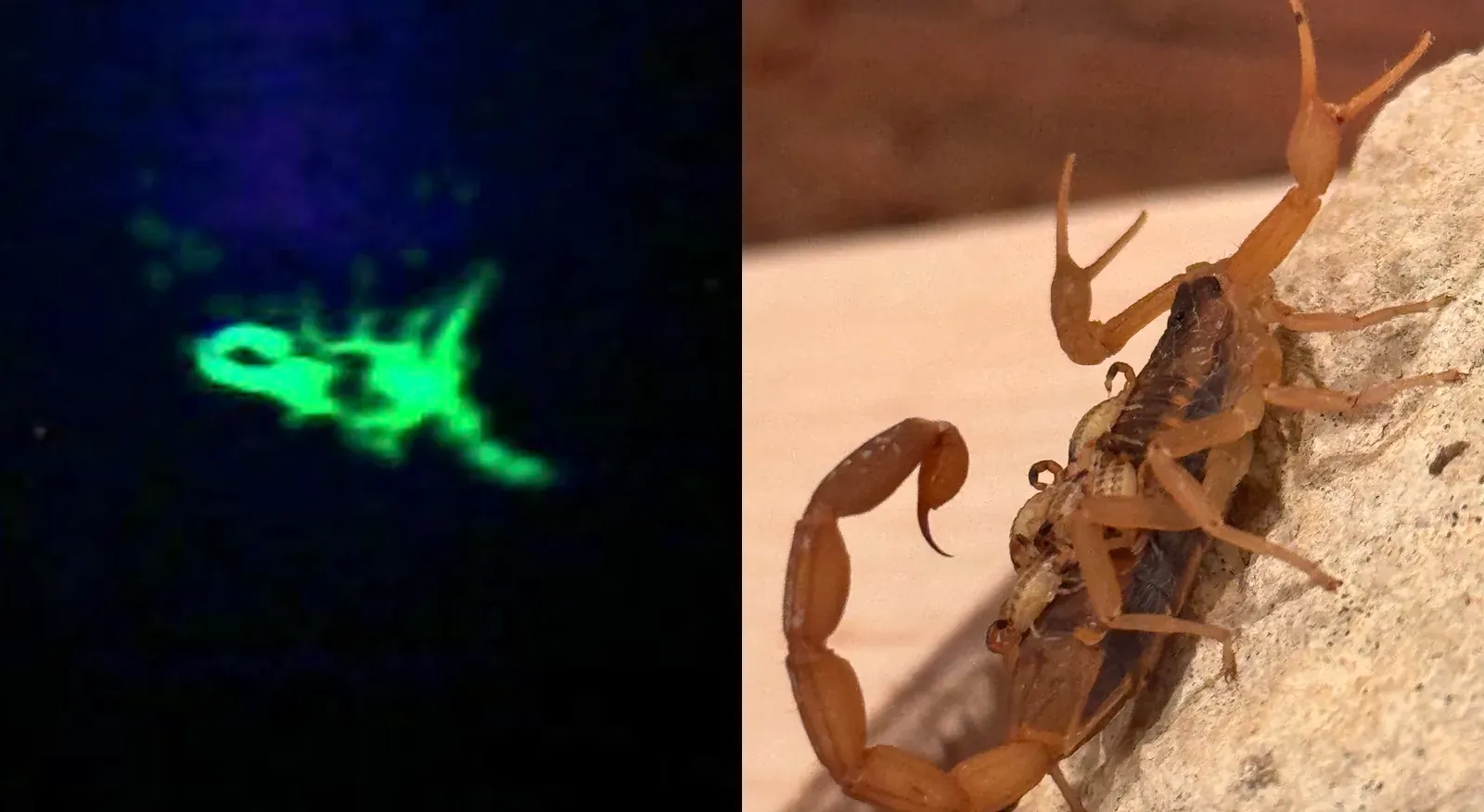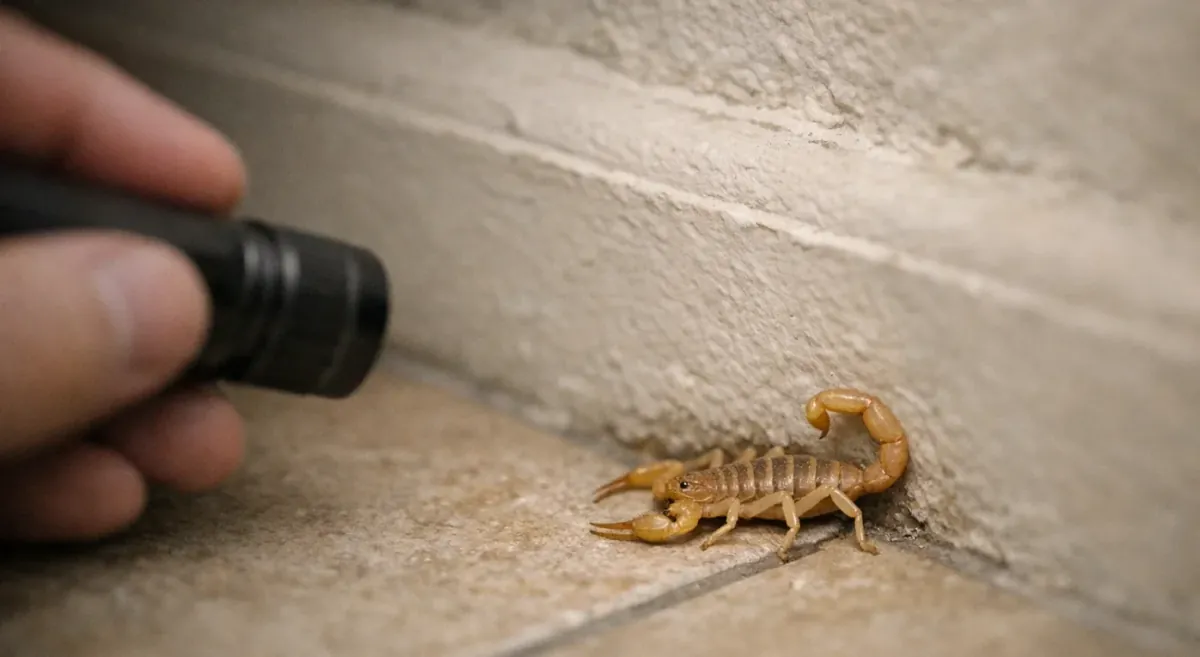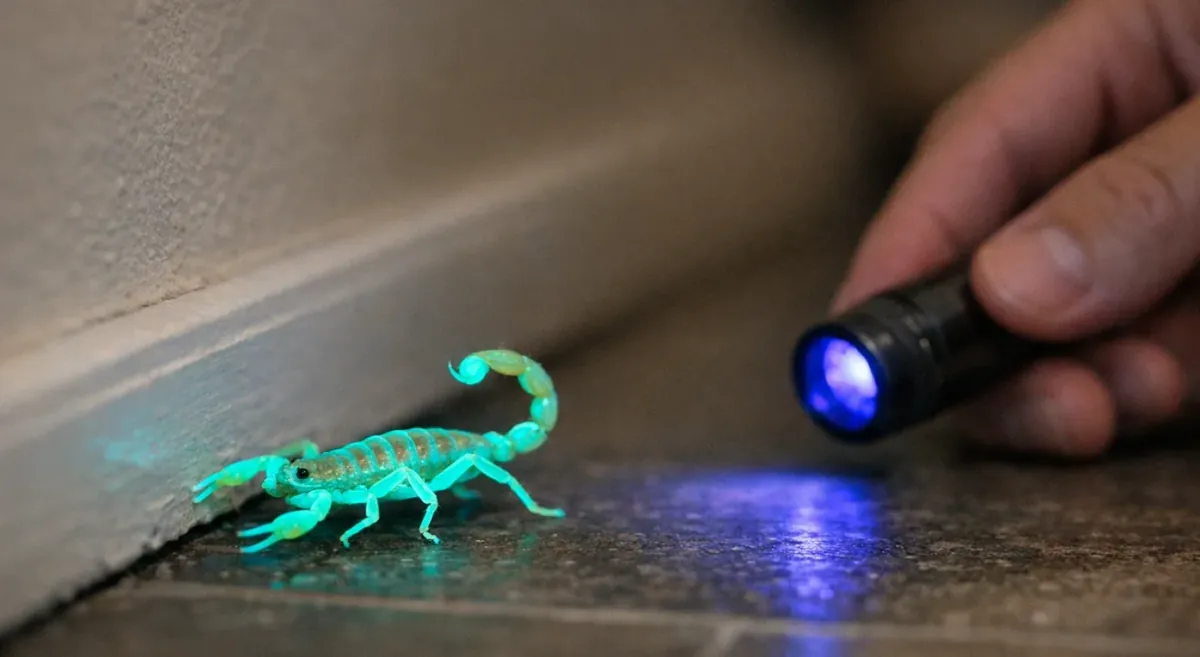
De 3 a 8 años sin ser detectados
Los alacranes pueden vivir meses o incluso años en tu casa sin que los notes, sobre todo si las condiciones son favorables. Con suficiente comida y agua, suelen vivir entre 3 y 8 años.

Funciona exactamente como esperaba. Por favor, hagan algo parecido para serpientes.
Vivimos en una colonia nueva con mucha construcción. Nuestros detectores se mantienen ocupados, pero recibir notificaciones es mejor que llevarte la sorpresa.
Mucho mejor que esas trampas pegajosas asquerosas.


¡Recibimos 2 alertas en nuestra primera semana! Estas cosas de verdad funcionan, qué buena idea, súper fácil de usar. Mucho mejor que las trampas pegajosas, ¡muchas gracias!
Ya no recibimos tantas alertas ahora que descubrimos cómo sellar nuestros ductos, pero al principio nos llegaban muchísimas.
Gracias por darnos la tranquilidad de saber que estas cosas no andan paseándose en el cuarto de nuestra recién nacida en la noche, ni escondidas en sus juguetes o ropita.
The highest-impact system is: (1) block entry points, (2) reduce food and hiding spots, and (3) verify results with nighttime checks/monitoring. A simple timeline (tonight/this weekend/this month) keeps it manageable, and it helps explain why sprays or traps alone rarely solve the root cause. This three-step scorpion prevention plan also covers what to do immediately if you’re worried one is inside and how to track whether activity is dropping.
A UV sweep is a quick snapshot, but scorpions can roam for hours after you’ve finished checking—so it’s easy to relax and then see one later. The real risk is the monitoring gap: 15–30 minutes of checking versus an entire night of movement when kids get up, pets wander, or someone walks barefoot. This article explains that “false sense of safety” cycle and why all-night monitoring changes the equation in overnight scorpion monitoring strategy.
Scorpion activity in Silver City is usually most noticeable during the warmer parts of the year, with movement peaking at night when temperatures are favorable. Rain and humidity changes can also increase sightings, including indoors, as scorpions roam more and follow prey or seek shelter. The Silver City scorpion season timeline breaks down what to expect through the year and why nighttime monitoring along walls and room edges is so effective.
Start with a quick triage: shoes by exterior doors/garage, anything that “bridges” into the bed (bedding, nightstands, cords), and the driver footwell in your car. These are high-risk because scorpions prefer tight edges, seams, and perimeter paths rather than open surfaces. Use a flashlight, long tongs/grabber, a wide-mouth container, and a stiff card—and follow the “look before you lift” rule in this first places to check for scorpions guide.
In Arizona, scorpion activity typically ramps up in spring, peaks during hot summer and monsoon conditions, and tapers in fall—though it doesn’t drop to zero in winter. They’re nocturnal, so most movement is from dusk through the overnight hours, which is why many stings happen when walking barefoot or reaching into dark areas. For a clear timeline and what to expect during monsoon weeks, refer to the Apache Junction scorpion season and timing.
La “cola” es el metasoma (los segmentos flexibles), mientras que el conjunto del aguijón es el telson, que incluye la vesícula que guarda el veneno y el aculeus afilado que inyecta. Los alacranes pueden curvar y apuntar esa cola rápido cuando se sienten amenazados, y el uso del veneno es algo que pueden dosificar en lugar de “siempre vaciarlo”. Si encuentras uno adentro, mantén a niños y mascotas lejos y usa herramientas — no las manos — para aislarlo, como se explica en esta guía de seguridad de cola y aguijón.
¿No eres tú?
No tienes que comprar el hardware. Solo pagas una pequeña cuota mensual de monitoreo. Mientras más detectores agregues, más ahorras. Cancela cuando quieras y devuélvelos — sin contrato a largo plazo.
Regístrate con Google o Apple — sin contraseña.
Al continuar, aceptas nuestros Términos y condiciones y Política de privacidad.